Published August 17, 2026 · Altvina Insights · 4 min read
Why Profit Margin Drifts When Revenue Is Up
Revenue's up and margin isn't following. A federal survey found 36% of firms saw operating margins drop year over year. Here's the workaround that flags it early.
This month someone on your team started doing a workaround you never decided on. A discount nobody reversed. A scope line nobody pushed back on. A delivery step quietly dropped to hit a date. That is often the earliest sign of a margin problem, and it will not show up on the P&L for months. The spreadsheet catches up later.
The usual version of this goes the other way round. A founder sits down with six months of run-rate data in hand. Revenue is up. Utilization is steady or better. The team is booked. The bottom line doesn't move the way the top-line numbers say it should, and there is no explanation attached to it. By the time the numbers show the problem, the team has been carrying it for months.
Why profit margin drifts even when revenue is up
Delivery difficulty, promise speed, and price can each drift quietly on their own. A project that now takes longer to deliver than it used to. A client conversation where the timeline keeps compressing. A scope that expands before you've locked the fee. A discount that made sense for one deal and somehow became the baseline for the next five.
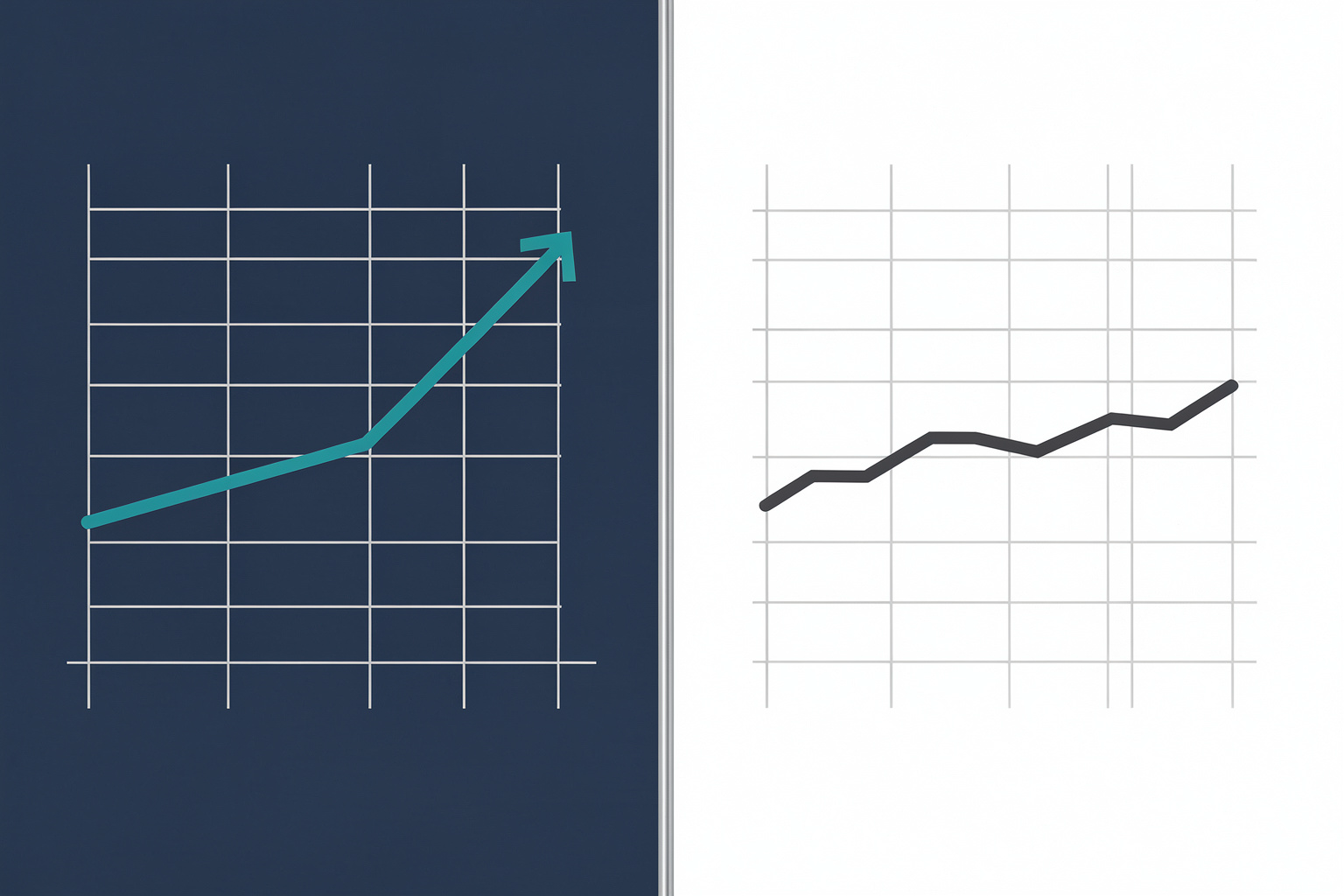
Each move looks small in isolation. The booking sheet still fills. Utilization stays north of where you want it. Revenue keeps climbing. But they add up in a direction that doesn't show on the utilization chart.
The instinct is to fix that with a tighter margin report or a stricter discount rule. My honest view, from what we see inside businesses: neither one catches it. By the time a report shows the drift, the decision that caused it happened months ago and was never flagged as a decision at all. Nobody sat down and chose to price lower or promise faster. Somebody made a call in a live conversation and it stuck. The workaround is usually the earliest place it shows up, well before the numbers do.
Your team already knows. They're the ones carrying the extra friction, the compressed timelines, the unpriced scope creep.
How common is margin drift? What the data shows
The Cleveland Fed asked businesses in its Fourth District about operating margins in late June 2026. 36% of firms said their operating margins decreased year over year, while 37% reported an increase and 28% saw no change at all.
That split is the interesting part. Same district, same quarter, same borrowing costs and same wage pressure, and margins moved in opposite directions for roughly equal numbers of firms. Our read: with the same regional economy, the same quarter and the same cost pressures behind every one of those firms, a split this even suggests margin is mostly being decided inside individual businesses, one decision at a time, rather than by the wider economy.
Plenty of them were also missing their own numbers: 40% said their operating margins were somewhat below target and 7% said they were significantly below target. What a survey can't tell you is which of those firms knew it was happening while it was happening.
How to spot margin drift before it hits the bank account
You don't need six months of historical data to see whether this is happening to you. You need one workaround. A discount applied without a conversation. A delivery step skipped to hit a date. A caveat added to a proposal that never used to need one.
So ask it of your own numbers this week: what's actually changed in how a project moves from yes to delivered, and where? Look for the places where the team's daily choices have shifted, not where the spreadsheet looks wrong. The spreadsheet will catch up eventually. The team is already living it. Often enough, that workaround traces straight back to who actually said yes to the work in the first place, and whether anyone with the price in their head was in the room.
If this sounds like your books, a fit call is ten minutes. We ask what is actually happening and tell you straight whether it is worth mapping. We will not work your numbers on the call itself.
More from this week
This piece stands on its own. Here are this week's 5 pieces:
- Monday: Why Profit Margin Drifts When Revenue Is Up (this post)
- Tuesday: Scope Creep Is an Ownership Problem: Who Actually Said Yes?
- Wednesday: The Difference Between Busy and Booked
- Thursday: Is It an Operations Problem, or Something Else?
- Friday: The Single Point of Failure in a Small Business
Content and Accuracy Disclaimer
This article was drafted with AI assistance and reviewed by the Altvina team. We rigorously fact-check all content to ensure reliability.
Should you notice any inaccuracies or outdated information, please contact us so we can correct it. Your feedback helps us maintain high standards of accuracy and transparency.